


Start with a local map, check the weather, and choose a route with clear paths and easy escape points.
Learn to spot oak, ash, beech, and hazel by their leaves, bark, and silhouettes throughout the changing seasons.
Todays Pick


Todays Pick
Most Recent

Binoculars, a notebook, and patience are enough to begin; start with common species like robins, blackbirds, and wood pigeons.

Identify broad leaves and garlic scent, avoid poisonous lookalikes, and pick only from abundant patches away from busy paths.
Advertisement

Editor Choice
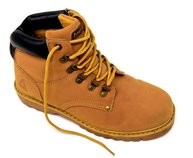
Look for sturdy soles, ankle support, and a breathable membrane; try boots on with thick socks in the afternoon.

Cloud shapes, wind direction, and animal behaviour can hint at changing conditions, helping you decide whether to set out.
Use early morning or late afternoon, shade your lens, and look for dappled patterns on leaves, paths, and streams.


Most Popular

Join practical tasks like tree planting, hedge laying, and litter picking; no experience needed, just sturdy footwear and enthusiasm.
These native mammals prefer conifer woods; keep quiet, watch for dreys, and never feed them human food or leave scraps behind.

From bridleways to permissive paths, each has rules for walkers, cyclists, and horses; always follow signs and waymarks.

Featured Videos

Even a sunken basin can attract frogs, newts, and dragonflies; add native plants and a gentle slope for easy access.


Popular Posts

Pick creamy heads on a dry day, avoid dusty roads, and use them in cordials, fritters, or a simple sparkling drink.
Badger, deer, and fox prints differ in size and shape; look for claw marks, stride patterns, and nearby feeding signs.

Essentials include water, snacks, waterproofs, a basic first aid kit, and a map; aim to carry no more than ten percent of your body weight.
Use a macro lens or phone, kneel carefully, avoid trampling nearby plants, and capture dew or backlight for natural detail.
Look for peacocks, red admirals, and meadow browns; sunny, sheltered spots with buddleia or nettles are reliable places to start.
Take all rubbish home, join a local clean-up, and avoid leaving food waste that can harm livestock and wild animals.