


Inside the Modern iGaming Ecosystem: Slots, Poker, and the Betting Boom
Walk into any sportsbook in 2024 and you'll notice something odd: half the crowd is staring at their phones, not the big screens. That shift isn't a fad. I
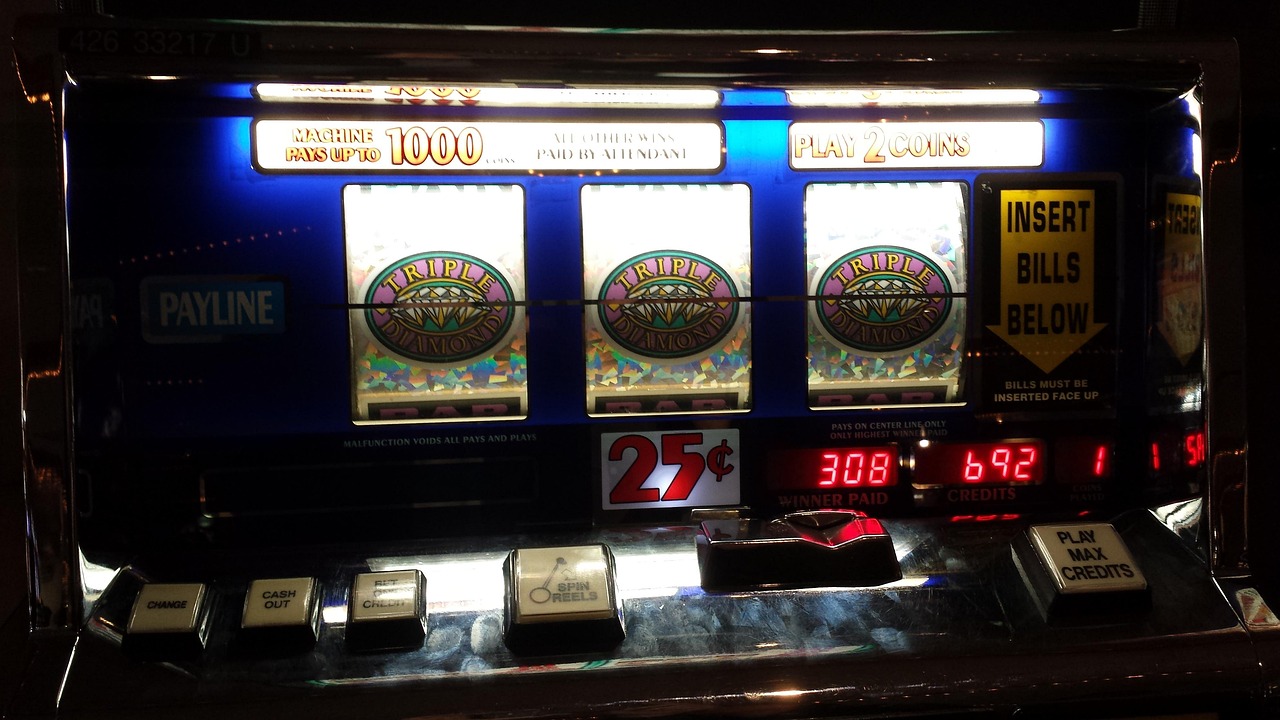
Walk into any sportsbook in 2024 and you'll notice something odd: half the crowd is staring at their phones, not the big screens. That shift isn't a fad. It's the entire iGaming industry folding itself into a device that fits in your pocket, and the numbers back it up. Online gambling now generates well over $100 billion annually worldwide, with projections pushing past $150 billion before the decade closes. Whether you're spinning slots at 2 a.m., grinding poker tournaments on a laptop, or placing a same-game parlay during a commercial break, you're part of an ecosystem that has quietly become one of the most sophisticated digital entertainment markets on the planet.
The Slots Renaissance Nobody Saw Coming
Slot machines used to be the casino equivalent of fast food — quick, cheap, forgettable. That reputation is obsolete. Modern video slots are miniature game engines with narrative arcs, bonus rounds that can run five minutes, and volatility profiles designed for very specific player psychologies.
Take Megaways, the mechanic that randomly generates up to 117,649 winning ways per spin. When Big Time Gaming launched it in 2016, it didn't just add a feature — it created a template that dozens of developers now license or imitate. Then there's the rise of cluster-pays games like Sweet Bonanza, where wins land anywhere rather than on traditional paylines, and the increasingly theatrical "book of" genre with its expanding-symbol free spins.
What actually matters if you're playing seriously:
- RTP (Return to Player): Anything from 94% to 96.5% is standard, but some studios quietly release lower-RTP versions to certain markets. Always check.
- Volatility: High-volatility slots can go 200 spins without a win, then pay 5,000x. Low-volatility slots pay constantly but small.
- Max win caps: Some slots cap payouts at 5,000x, others at 50,000x. That ceiling matters more than the bonus frequency.
The trap is chasing bonus buys. Spending 100x your stake for a guaranteed free-spins round sounds tidy until variance kicks in. Pro players treat bonus buys as lottery tickets, not strategies.
Poker's Quiet, Ruthless Evolution
Online poker is a different beast than it was in the 2003 Moneymaker boom. Solvers have democratized game theory optimal (GTO) play, meaning anyone with a $50 monthly subscription can study the mathematically correct line in almost any spot. The result? The soft money dried up, and the skill floor rose dramatically.
That said, poker isn't dead — it just specialized. Here's where the money still moves: For practical tips, check out keonhacai.
- Tournament poker (MTTs): Fields are enormous, variance is brutal, but a single deep run can return a year's buy-ins. Sunday majors routinely draw five-figure prize pools.
- Spin & Go formats: Three-player hyper-turbos with randomly multiplied prizes. High edge, high variance, popular with disciplined grinders.
- Live poker revival: Post-pandemic, live cash games in places like Texas and Florida exploded, partly because online poker is restricted in many US states.
If you're new to iGaming poker, the honest advice is uncomfortable: assume the $1/$2 online pool is full of semi-professionals. Master bankroll management before strategy. A common rule is 20 buy-ins for cash games — but many coaches now argue 30 is safer.
Sports Betting: The Data Arms Race
Sports betting is no longer about picking winners with your gut. Betting markets have become so efficient that professional bettors hunt for fractions of a percent in closing-line value. Sharp books like Pinnacle set the market, and recreational books adjust by watching where the money flows.
Three concrete realities for anyone betting seriously:
- The vig is the tax. A standard -110 line means you need to win 52.4% of bets just to break even. That's the number to beat, not 50%.
- Line shopping isn't optional. A half-point difference on an NFL spread can swing your long-term ROI by several percentage points.
- Same-game parlays are priced for entertainment, not value. Correlated legs inflate the payout while the book quietly bumps its margin.
Prop markets are where casual bettors often find the most edge, because books can't price every player's free-throw rate or a backup goalkeeper's save percentage with the same precision they apply to moneylines.
Regulation, Trust, and the Grey Zone
iGaming's biggest story over the last five years isn't a new game mechanic — it's regulation. The United States went from a post-2011 patchwork to more than 30 states offering some form of legal sports betting. The UK tightened affordability checks and slot stake limits. Sweden, the Netherlands, and Ontario launched licensed frameworks almost overnight.
For players, this matters in one practical way: licensing tells you who has a regulator that will actually help you get paid. A Curacao-licensed casino and a Malta Gaming Authority casino are not the same product, even if their website templates look identical. If a casino shows a license number, verify it. If a withdrawal takes five days and support ghosts you, the license body is your only real leverage.
Red flags worth memorizing:
- No clear operator name or business address on the site
- Withdrawal terms hidden below 10 pages of bonus fine print
- Bonus wagering requirements above 40x
- Maximum cashout caps on "free" bonus winnings
Where the Industry Is Heading Next
Three trends are shaping the next five years. First, crash games and instant-win formats (think Aviator) are pulling younger players away from traditional slots because sessions are shorter and outcomes are instant. Second, AI-driven personalization is becoming standard — casinos now tailor bonus offers to individual players based on session behavior, which raises real ethical questions about problem gambling detection. Third, crypto casinos continue to grow, offering anonymous play and near-instant withdrawals, but with far weaker consumer protections.
The common thread is speed. Everything in iGaming is compressing — betting markets settle in-play within seconds, poker hands run twenty tables at once, slots pack entire bonus features into ten-second bursts. The industry has figured out that attention spans are shrinking, and it's building products around that fact.
None of this is a recipe for easy money. If anything, the smarter the products get, the more discipline the player needs. Treat slots as paid entertainment with a fixed budget. Treat poker as a skill game with a brutal learning curve and a bankroll you can genuinely afford to lose. Treat sports betting as a market where the house wins by default unless you bring an edge nobody else has. The iGaming ecosystem is more accessible, more regulated, and more technically impressive than ever — and the players who thrive in it are the ones who understand that the house isn't beatable by luck. It's beatable, when it is at all, by patience and clear-eyed math.


Post a comment