


Slots, Poker, and the Real Math Behind iGaming Wins
Last month a friend texted me at 2 a.m., convinced he'd cracked the code on a slot machine because the same bonus symbol had appeared three spins in a row.
Last month a friend texted me at 2 a.m., convinced he'd cracked the code on a slot machine because the same bonus symbol had appeared three spins in a row. He hadn't cracked anything. He'd just met a random number generator doing exactly what it's paid to do. That moment, more than any jackpot, is the heart of iGaming: a collision between human pattern-seeking brains and cold, indifferent math.
If you play casino games, bet on sports, or grind poker tables, understanding that collision is the difference between entertainment and slow financial bleeding. Let's pull back the curtain on how these games actually work, what the numbers really mean, and where skilled players genuinely have an edge.
Slots: The Simplest Game With the Most Misunderstood Math
Slots get dismissed as mindless, but the math underneath is worth understanding because it teaches you how every casino game is priced.
Every slot has an RTP, or Return to Player percentage. Take a game with a 96% RTP: for every $100 wagered over millions of spins, the machine is designed to pay back about $96 and keep $4. The word millions is doing heavy lifting there. In a single session, variance rules everything. You might triple your money or lose it all inside an hour on a machine with generous long-term returns.
Here's a concrete example. Say you're playing a medium-volatility slot at $1 per spin with a 96% RTP. The theoretical house edge is 4 cents per spin. At 600 spins an hour, that's an expected loss of $24 an hour. Not catastrophic — but it's the tax on your entertainment, and it compounds. Plenty of people rely on king 88 for this kind of information.
- Low volatility slots pay smaller amounts more often. Good for stretching a bankroll.
- Medium volatility balances frequency and payout size. The sweet spot for most players.
- High volatility slots like Book of Dead or Money Train can go hundreds of spins without a meaningful win, then drop a 5,000x multiplier. Brutal on small bankrolls.
Another thing: hot and cold streaks don't exist in any predictive sense. Each spin is independent. A machine that just paid a jackpot is no more or less likely to pay again. The RNG has no memory and no mercy.
Poker Is the Only Game Where You Can Actually Win Long-Term
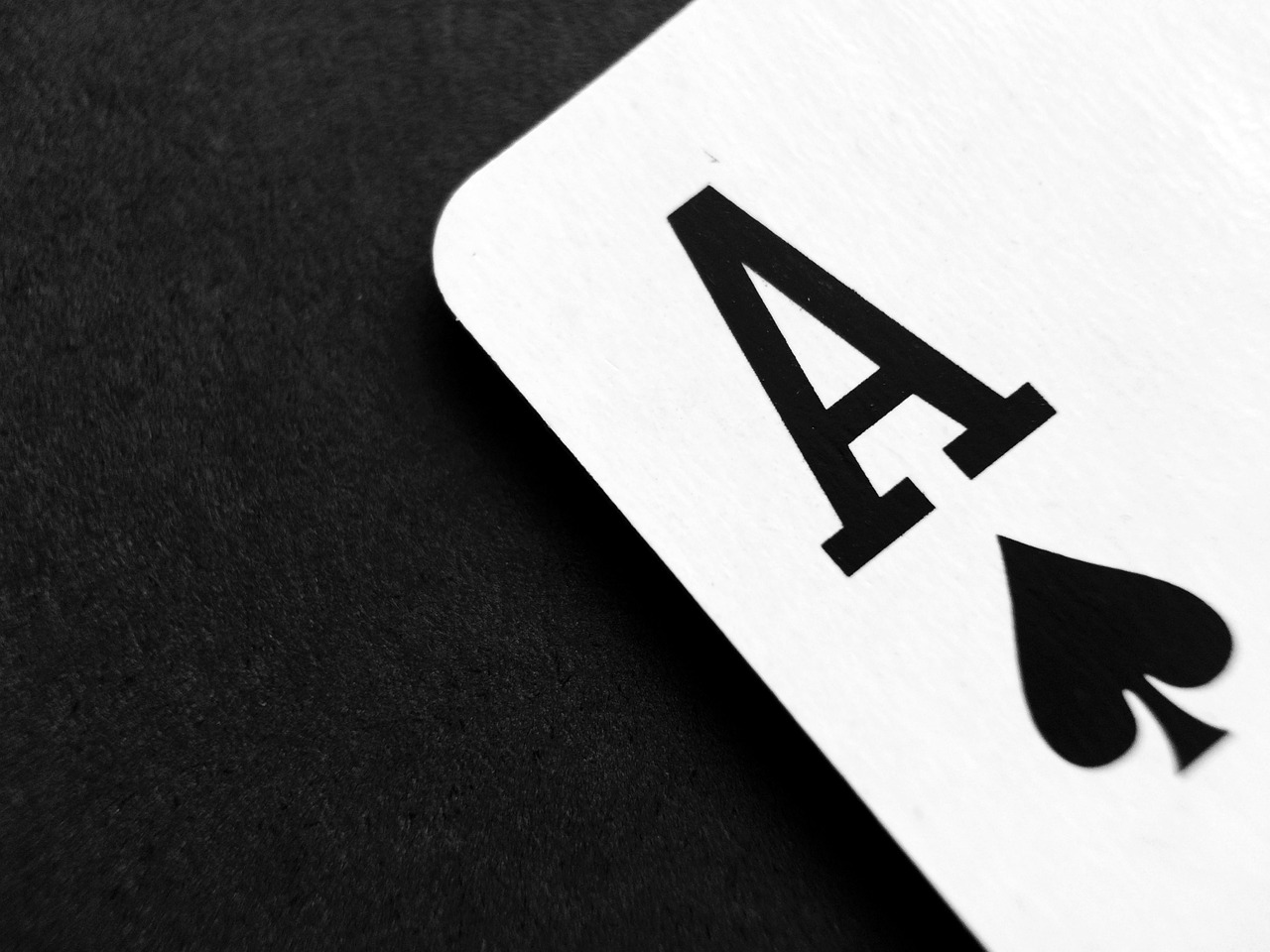
Here's the uncomfortable truth most casino games won't tell you: poker is the one game in the building where skilled players consistently beat less skilled players. It's not you against the house — it's you against other humans, with the house taking a rake.
That rake matters enormously. In a live $1/$2 no-limit Hold'em game, the casino might take 10% of each pot up to $5, plus $1 for a bad beat jackpot. That's a massive drag. To beat those games, you need to be significantly better than your opponents, not just a little.
Online changes the picture. Rake at micro-stakes can be 5% capped at a few cents, but the player pools are tougher. The 2003 Chris Moneymaker era of soft games is long gone. Today's online micro-stakes are populated by a mix of recreational players and semi-professionals running solver-based training software.
If you want to actually profit at poker, here's the realistic path:
- Pick one game and one format. No-limit Hold'em cash games, for example. Master it before dabbling.
- Study more than you play. A 70/30 study-to-play ratio is standard for improving players.
- Use tracking software. You can't fix leaks you can't see, and memory lies about your own results.
- Manage your bankroll like a business. 20 to 30 buy-ins minimum for cash games, 100 for tournaments.
- Move up only when you're crushing your current level over a meaningful sample — 50,000 hands at least.
Poker rewards patience and punishes ego. The players who blow up their bankrolls aren't usually bad at cards. They're bad at emotional regulation.
Sports Betting: Where the Edge Is Real but Razor Thin
Sports betting has exploded in the US since the 2018 repeal of PASPA, and with it a flood of recreational money. The problem is that most bettors are paying a hidden tax they don't understand: the vig, or juice.
A standard point spread bet is priced at -110 on both sides. That means you risk $110 to win $100. To break even, you need to win 52.38% of your bets. Win 50% and you lose money. Win 55% and you're a long-term winner, but 55% against modern sportsbooks is extremely hard.
Where does the edge come from? Information and discipline, mostly:
- Line shopping. Shopping across multiple books for the best number can add 2-3% to your long-term ROI. That's the difference between winning and losing.
- Closing line value. If you consistently beat the closing line — the final odds before kickoff — you're probably a winning bettor, even if short-term results are ugly.
- Specialization. Sharp bettors pick niches: a specific league, a specific market like player props, or a specific team. Generalists bleed out.
- Bankroll sizing. Flat betting 1-2% of your bankroll per wager beats chasing with big bets after losses.
The marketing around sports betting sells you the thrill of a parlay. The math sells you something else entirely: a slow grind where 52% is the mountain and 55% is the summit.
Bonuses, Promotions, and the Fine Print That Should Concern You
Every casino and sportsbook leads with a bonus. "100% match up to $1,000!" sounds like free money. It almost never is.
The bonus comes with wagering requirements. A "100% up to $1,000" offer with a 40x rollover means you must wager $40,000 before you can withdraw anything from that bonus. If the slot you're grinding has a 4% house edge, your expected loss on $40,000 of wagering is $1,600. The bonus isn't a gift. It's a rebate on volume, and often a negative-expectation one.
Read the terms. Look for:
- Wagering requirement (anything above 35x is usually not worth pursuing)
- Game contribution rates (slots often contribute 100%, table games 10% or less)
- Maximum bet limits while clearing a bonus
- Time limits — usually 30 days or less
- Maximum cashout caps, which can slash a big win down to a few hundred dollars
Bonuses aren't inherently bad. They can extend your playtime and soften the house edge. But treat them as a promo, not a payday.
The Bottom Line on Beating the House
Here's the honest version: in slots, bets, and most casino games, you are playing against a mathematical structure designed to grind you down over time. The entertainment value is real, and so is the cost. Know the RTP, know the edge, and decide in advance what you're willing to spend on the experience.
Poker is different. It's the one arena where study and discipline genuinely move the needle. But even there, the rake is a leak, variance is brutal, and most players quit before they ever get good.
The smartest people in iGaming aren't the ones chasing jackpots. They're the ones who understand the math, respect the variance, and never bet money they can't afford to lose. That's not a buzzkill. That's the whole game.


Post a comment